Why ceramic tableware matters in hospitality
In a hotel restaurant, tableware is not just functional, it is part of the brand. Guests photograph their plates before they eat. Reviews mention presentation. A cracked rim or faded glaze signals neglect, even if the food is excellent. That is why hotel chains, catering companies, and restaurant groups invest serious thought into sourcing tableware that balances three things: durability, design, and cost per piece over time.
Step 1: Choose the right ceramic material
Not all ceramics are equal. The four main categories you will encounter:
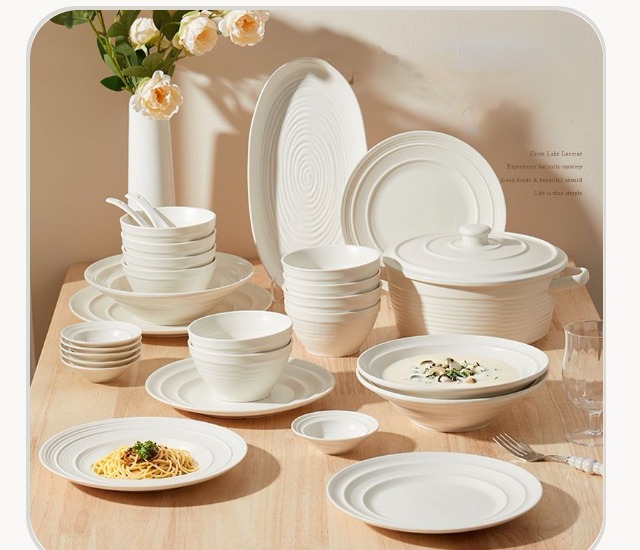
- Porcelain (high-fired): Fired at 1,300°C+, porcelain is dense, non-porous, and highly durable. It resists chipping better than earthenware and is the standard for hotel-grade tableware. Most of our collections at Hongxin are porcelain.
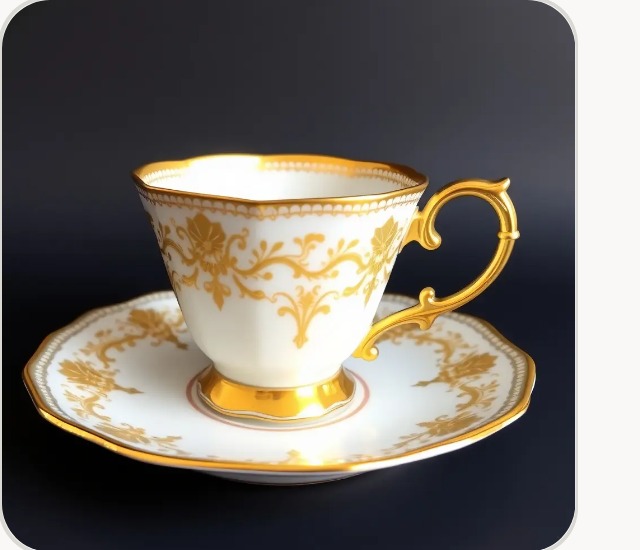
- Bone china: Contains bone ash, giving a translucent, delicate appearance. Beautiful for fine dining and luxury hotels, but more expensive and slightly more fragile than standard porcelain.
- Stoneware: Fired at slightly lower temperatures, stoneware has a more rustic, organic look. Good for casual dining and themed restaurants, but heavier and more prone to chipping on edges.
- Earthenware: Low-fired, porous, and the least durable option. Not recommended for commercial hotel use, it absorbs moisture and chips easily.
Recommendation for hotels: Porcelain for daily dining. Bone china for fine dining and VIP suites. Avoid earthenware entirely.
Step 2: Understand glaze types and their trade-offs
The glaze determines appearance, maintenance, and longevity. Here are the three most common types you will see in wholesale catalogs:
Reactive Glaze
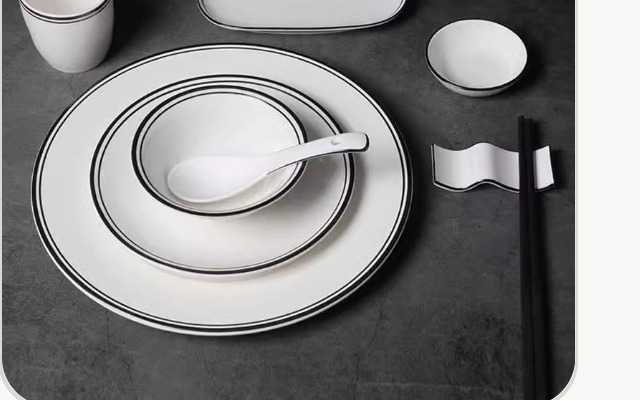
Chemical glazes that flow and bloom during firing, every piece looks slightly different. Stunning on the table, but the variation means each plate is unique, which some hoteliers love and others find inconsistent for set tables.
Underglaze
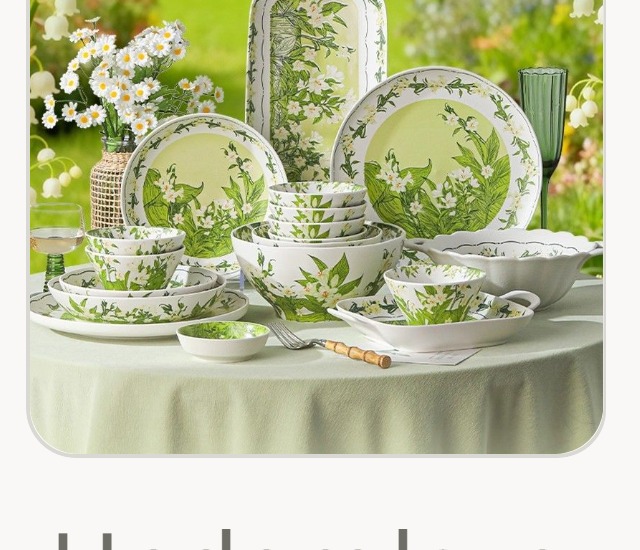
Color is applied beneath the clear glaze layer, making it durable and dishwasher-safe. Classic blue-and-white patterns fall here. Excellent for hotels wanting a traditional, consistent look that survives hundreds of wash cycles.
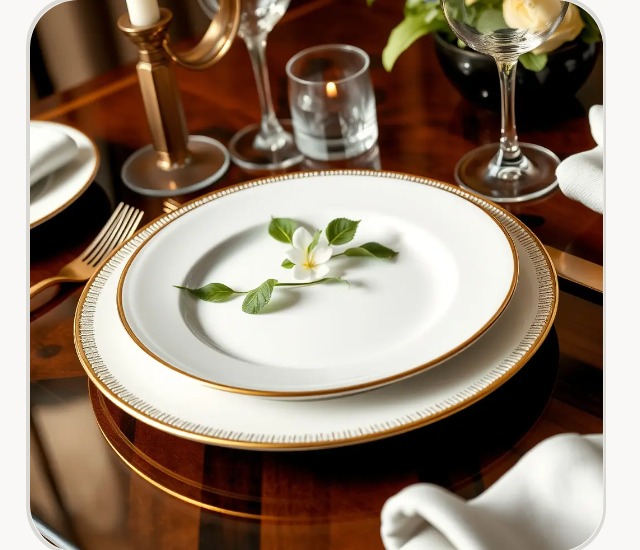
Gold-Plated Rim
Hand-applied gold detailing on the rim. Luxurious and perfect for five-star hotels, but requires hand-washing or gentle cycles, the gold can fade under harsh commercial dishwasher conditions.
Step 3: Check durability and safety standards
Hotel tableware goes through commercial dishwashers dozens of times per week. Before placing a bulk order, verify that the manufacturer's products meet these standards:
- FDA (USA): Confirms lead-free and cadmium-free glazes, mandatory for any product entering the US market.
- LFGB (EU): The European food-safety standard, stricter than FDA on certain heavy metal limits.
- ISO 9001: Quality management certification, ensures the factory has consistent production processes.
- Dishwasher-safe rating: Ask the manufacturer for their dishwasher test cycle count. Hotel-grade porcelain should survive 500+ commercial wash cycles without visible glaze degradation.
Step 4: Calculate total cost, not just unit price
The cheapest quote is rarely the cheapest over a 2-year cycle. Here is how to think about it:
| Factor | Cheap supplier | Quality supplier |
|---|---|---|
| Unit price | Lower | Higher |
| Chip rate (first 6 months) | 1525% loss | 38% loss |
| Replacement orders | Frequent | Rare |
| Downtime from breakage | High | Low |
| 2-year cost per piece | Often higher | Often lower |
Ask suppliers for breakage data or sample tests. A manufacturer that has been exporting for 10+ years will have this data ready.
Step 5: MOQ and lead time for hotel projects
For stock collections, most manufacturers set MOQ at 200 pieces per item. For fully custom OEM projects (custom shape, color, or logo), expect MOQ starting at 1,000 pieces. Typical lead times:
- Stock collections: 3045 days after deposit
- Custom OEM: 4560 days (includes mold-making and sample approval)
- Rush orders: Possible but may carry a 1015% surcharge
Always order a 510% breakage buffer on top of your calculated need. Hotels typically replace 1015% of tableware annually due to natural chipping and breakage.
Step 6: Evaluate the manufacturer
Before committing to a bulk order, do these four things:
- Request free samples. Any reputable factory ships samples within 7 days. Inspect glaze uniformity, rim smoothness, and weight balance.
- Ask for certification copies. FDA, LFGB, ISO 9001, get the actual PDF certificates, not just a claim.
- Check export history. A factory exporting to 50+ countries has survived quality audits from demanding buyers. That track record matters.
- Visit or video-tour the factory. If you cannot visit in person, request a video walk-through of the production line. You want to see kilns, glazing stations, and quality inspection areas.
The bottom line
Hotel tableware is a long-term investment. Choose porcelain fired at high temperatures, verify safety certifications, calculate total cost over 2 years, not just unit price, and always test with samples before committing to a full container. The right supplier will feel like a partner, not a vendor.
Sourcing tableware for a hotel project?
Tell us your property size, style direction, and timeline. Hongxin Ceramics has supplied porcelain to hotels and restaurants in 60+ countries since 2005. We will prepare samples and a tailored quote within 24 hours.
Request a Free Quote